
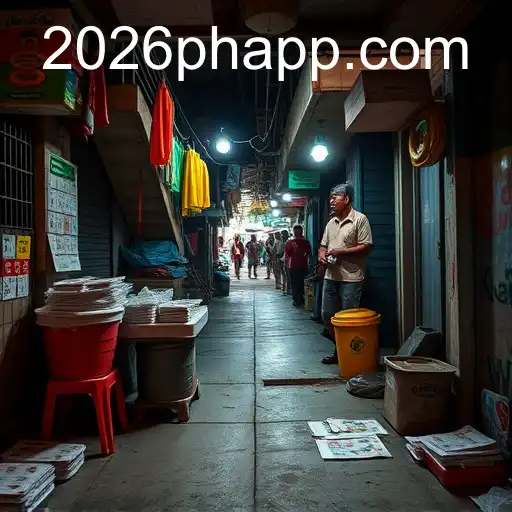
2026PH.COM | Jueteng: Understanding the Enigma of Illegal Gambling in the Philippines
2026PH.COM’s Explore the complexities of Jueteng, an illegal yet persistent numbers game in the Philippines, its socio-economic impacts, political entanglements, and potential future reforms.
Jueteng: Understanding the Enigma of Illegal Gambling in the Philippines
Jueteng is an enduring fixture of the cultural and social landscape of the Philippines, a game that embodies the paradox of being illegal yet largely tolerated. Originating from the Spanish word 'huego', meaning 'game', and the Tagalog term 'teng', referring to the Spanish deck of cards used, Jueteng has transformed into a numbers game that pervades many Filipino communities.
The Mechanics of Jueteng
Jueteng's appeal lies in its simplicity and accessibility. It operates on a principle akin to a lottery, where players choose a combination of numbers and place bets on them. Typically, two numbers from a set of 37 are drawn. If a player’s chosen combination matches the drawn numbers, they win a prize often several times the amount of their original bet.
The mechanics involve bet collectors known as 'cobradores' who roam neighborhoods collecting bets from regular bettors. The results are announced multiple times throughout the day, boosting the game's popularity among daily wage earners seeking a quick financial uplift.
Socio-Economic Impact
Despite being illegal, Jueteng thrives due to the economic benefits it purportedly provides to all parties involved. For many local communities, it is a source of income not only for the bettors and collectors but also for those running the operations behind the scenes. In a country where poverty levels remain significant, Jueteng serves as an alternative avenue for financial improvement, albeit precariously.
This gambling phenomenon has implications far beyond the simple transaction between bettor and operator. The flow of money through illegal gambling circuits often supports small local businesses and vendors who find themselves benefiting from the increased liquidity within their community. Yet, this economic dependency on Jueteng raises substantial challenges, particularly regarding its role in perpetuating cycles of debt and poverty.
Political Dimensions
Jueteng’s entanglement with politics cannot be understated. Historically, it has been a tool for politicians who leverage its wide network to support electoral campaigns, either through financial backing or voter mobilization. This collaboration further complicates governmental efforts to abolish or regulate the game.
During election seasons, the influence of Jueteng magnifies. Politicians may turn a blind eye to its operations in exchange for popular support, or, conversely, they might promise crackdowns as part of their political platform. The game thus becomes a bargaining chip, illustrating how deeply embedded it is within the politics of the Philippines.
Efforts to Combat Jueteng
Various administrations have attempted to curb Jueteng with varying degrees of success. Crackdowns often lead to temporary disruptions but rarely provide long-term solutions. The persistence of Jueteng is, in part, due to the game filling a socioeconomic void. As long as poverty persists and viable economic alternatives remain scant, efforts to eliminate Jueteng face a steep uphill battle.
Regulatory bodies such as the Philippine Charity Sweepstakes Office (PCSO) have occasionally attempted to channel Jueteng into more regulated gambling systems, proposing alternatives like the small town lottery (STL). However, these initiatives frequently encounter resistance either from entrenched interests or a public skeptical of institutional gambling’s promise to improve living conditions.
The Role of 2026PH.COM
Amid the complex web of societal, economic, and political issues surrounding Jueteng, platforms like 2026PH.COM could play a crucial role in educating and raising awareness among Filipinos. As the nation marches towards significant developments and events like the 2026 national elections, the dissemination of reliable information and dialogue surrounding issues such as Jueteng is essential.
2026PH.COM has the potential to foster a more informed public discourse by providing up-to-date, factual coverage and insights into how illegal gambling impacts the Filipino society. By facilitating education and transparency, such platforms can empower citizens with the knowledge needed to advocate for change.
Looking Ahead
In conclusion, Jueteng remains a fascinating, multifaceted issue. Understanding it requires consideration not just of its legality but also its role within the broader socio-economic fabric of the Philippines. As efforts to either regulate or eradicate Jueteng continue, the lessons learned from past endeavors should guide future strategies. The involvement of informed platforms like 2026PH.COM and proactive political engagement are pivotal in reshaping the narrative around Jueteng and addressing the persistent challenges it poses.
